 News
News Access
 Contact Us


This site uses cookies for access analysis and interest-based advertising. By continuing to browse, you agree to our use of cookies. Please refer to our Privacy Policy and Site Policy.
Learning More About Noh & Kyogen


About Noh and Kyogen
Japan's oldest performing arts “Noh” and “Kyogen”
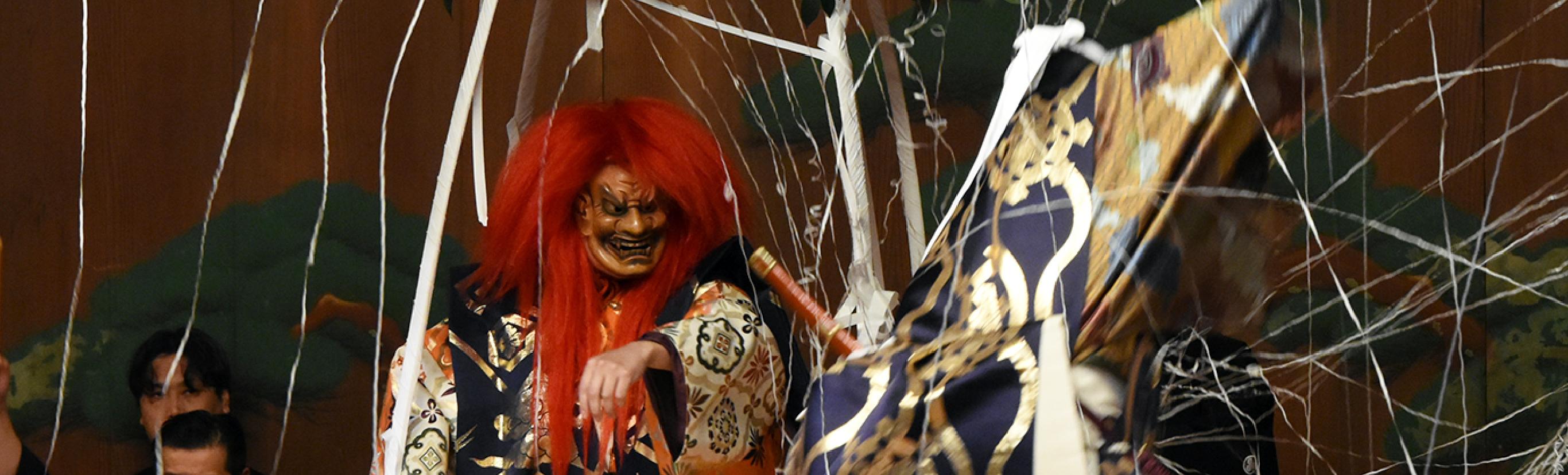
Noh and Kyogen are inseparably linked art forms and together the two are called “Nohgaku.” They have been performed continuously for over 650 years and are said to be Japan’s oldest traditional performing art.
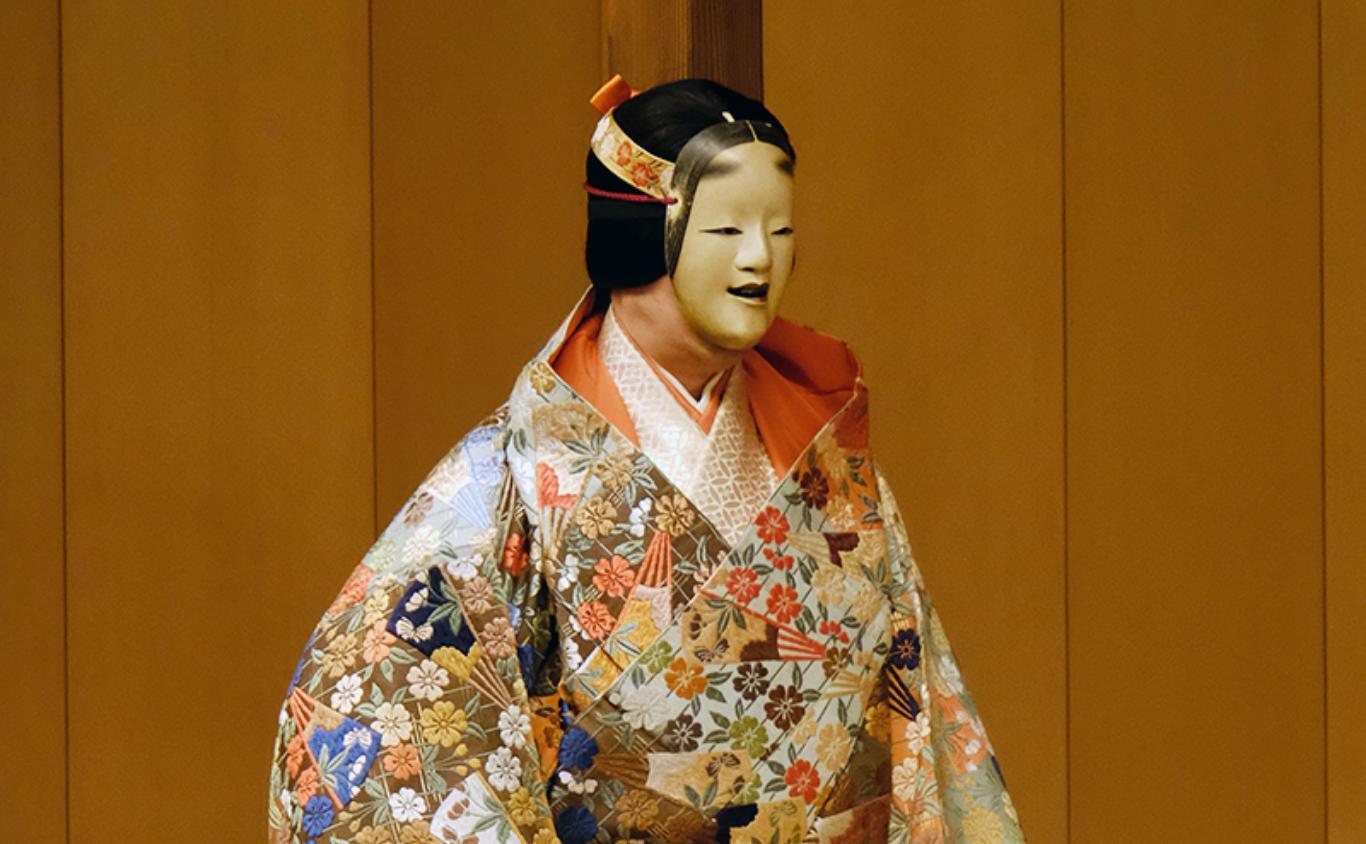
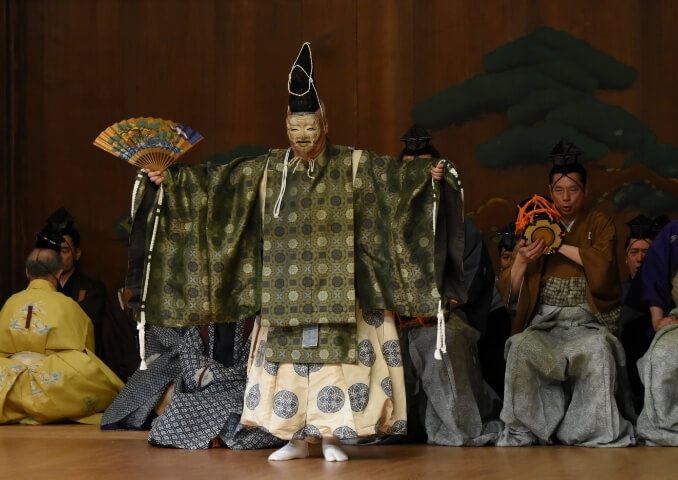
Noh can be said to be similar to a musical and combines the performance by a musical ensemble called “hayashi,” song and spoken lines called “utai,” and movement or dance called “shosa” or “mai.” The sophisticated content of Noh plays is based on classical literary works and stories, the qualities and emotions of the characters expressed through restrained movements. Another characteristic of Noh is that it is a masked drama that uses masks called Noh masks.
Kyogen, like Noh, is performed on the Noh stage and is a form of entertainment with a strong sense of comedy. It is a form revolving around dialogue, taking as its subject matter the daily lives of people in the Middle Ages, and depicting the subtleties of human emotions, social satire, human folly, and sorrow with “innocent laughter.”
While in early times “Noh” and “Kyogen” were one art form, it is said that during the period of the Northern and Southern Courts (1337-1392), they were divided into Noh, centered on song and dance, and Kyogen, a drama focused on dialogue. Zeami (1363?-1443?), supported by Ashikaga Yoshimitsu (1358-1408), the third shogun of the Muromachi Shogunate, developed Noh into a highly artistic art form tailored to the tastes of samurai families, especially the feudal lords, in 18th century.
Noh and Kyogen have greatly influenced other classical performing arts such as Bunraku, Kabuki, and Kumiodori in Okinawa, as well as movies, modern literary works, and other art forms. In 2001 it was the first Japanese performing art to be declared one of the first “Masterpieces of the Oral and Intangible Heritage of Humanity (World Intangible Cultural Heritage.)”
The History of Noh and Kyogen
Coming soon
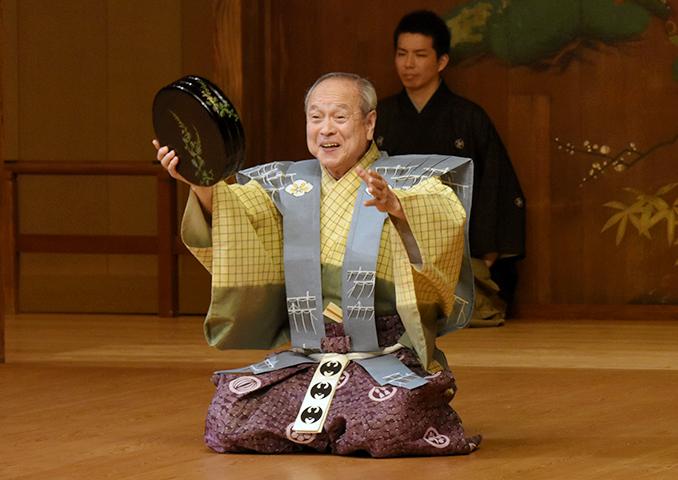
The Noh Stage and the Noh Performers
Coming soon
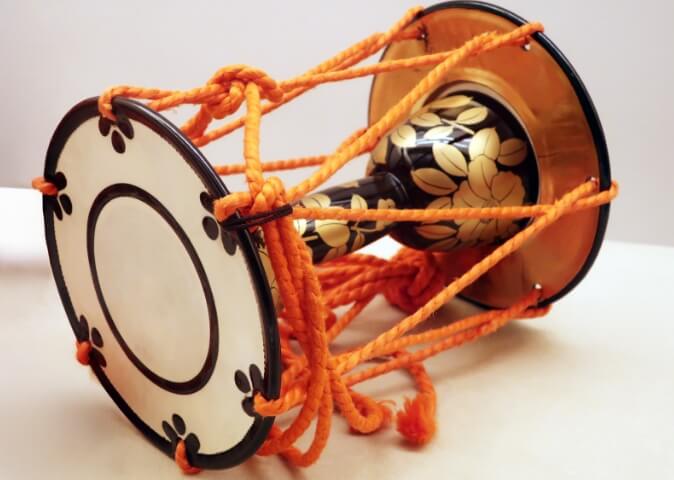
Props used in Noh


Program Notes
The Noh and Kyogen repertoires each consist of approximately 200 to 250 plays.
Here are some of the most representative plays from each repertoire.


